Ever feel like you’re stuck in a loop, those ingrained habits dictating your day without your even realizing it? You’re not alone. We all have those automatic behaviors, both good and bad, that shape our lives and hinder performance. But what if you want to break free from the unhelpful ones and build new habits that will unleash your productivity?
The burning question then becomes: how long does it actually take to change a habit?
You might have heard the popular notion that it takes a mere 30 days to form a new habit. While this idea is appealing in its simplicity, the reality is far more nuanced. Establishing a new neural pathway in your brain takes time and consistent effort. By knowing how to unlock potential through your changing habits, you’ll have a better chance of accelerating the process and forging new productive habits faster.
The Habit Loop

Charles Duhigg, author of The Power of Habit, describes how habits form through a three-part process that he calls, “The Habit Loop.” This process involves a cue that triggers a behavior, followed by an appreciation of results that reinforces the loop. There is some dispute about whether this ‘reward,’ as Duhigg calls it, is really part of the loop. But there is no doubt that habits develop through routine – a cue or trigger, followed by the behavior. Over time, your brain associates the cue with the behavior, creating a powerful connection.
If you really want to rewire your performance, and do it faster, it helps to be conscious of this process. Habits, like memory and reason, are deeply rooted in how we behave, often without our conscious awareness. Once these habits are ingrained, they become like memories that our brains retrieve on autopilot.
Use Mindfulness to Change Faster

The good news is that while you can’t simply erase a memory, you can replace it with something that serves you better. This is where mindfulness comes into play. The key to changing unwanted habits is to become aware of the cues that lead to these subconscious behaviors.
These habitual cues typically fall into five categories: location, time of day, emotional state, other people, or the immediately preceding action. You can ask yourself questions about these five cues in order to make yourself more aware of your behaviors.
1. Location
Where are you when you engage in a habit you want to change? If you’re checking your email first thing in the morning, are you sitting at your desk? Lying in bed using your phone? Or, if you’re doom-scrolling for a solid hour on your phone, does this happen only when you’re in front of the TV? See if there is a specific location that is related to these or other unproductive behaviors. Switching up the location will weaken the habit.
2. Time of Day
What time of day is it when you perform the bad habit? That email habit above may be related not only to a location, but also to the time of day—early morning.
This habit sends most people down a rabbit hole of reactivity that takes hours to climb out from. Changing the time you check your email to later in the morning is often one of the straightest lines to getting more important work done in a day.
Or maybe you have a habit of eating something sweet when you hit that mid-afternoon slump. Take note of whether a particular time of day is tied to the habit you want to change.
3. Emotional State
Many times, a distressing emotional state will cue a habit you don’t like. For example, how many people eat when they’re stressed? The emotional state of being stressed might cause you to run for the potato chips without thinking. Or, stress might lead to your getting lost in social media, trying to block out uncomfortable feelings with distractions.
4. Other People
Almost everyone can name another individual or group of people who triggers them to engage in an undesirable behavior. For example, do you drink too much when you’re with your old college friends? Do you bite your nails whenever you’re in a team meeting? Other people can trigger memories that cue our brains to perform behaviors that we don’t necessarily like or want to repeat.
5. Immediately Preceding Action
Another habitual cue is the action we take immediately before we perform a particular behavior on autopilot. For example, when I get in my car, I immediately fasten my seatbelt without thinking. That’s obviously a positive habit. But if you get into stress-inducing political debates shortly after logging into Facebook, an easy way to minimize that habit is to avoid logging into Facebook.
Stay ‘mindful’…but only until you form a better habit

Once you become mindful of these cues, you can begin to disrupt the connection between them and your undesirable habits.
Awareness is the opposite of being on autopilot. But exercising mindfulness over every task we do during the day would require more cognitive resources than we can afford.
So here’s the plan:
First, consciously manage your attention to interrupt old routines and form better ones. For example, if you crave something sweet during your mid-afternoon slump (cue: time of day), becoming mindful of this pattern allows you to plan a healthier alternative, like reaching for a piece of fruit instead.
But, ultimately, you don’t want to stay mindful of everything you do at work, because that wastes cognitive resources. Instead, you want to replace unproductive habits with better ones that allow you to use “autopilot” to further your significant results. So once you’ve formed a new, more productive habit, you will have freed up brainpower to attack another habit that’s hindering your performance. But for best results on replacing habits that hinder your progress with more productive ones, tackle habits one at a time.
The number of repetitions required for a new behavior to become automatic and transform into a habit will vary depending on several factors, including the complexity of the behavior, how frequently and consistently you perform the new behavior, and the environment in which it occurs. So, while 30 days can be a reasonable approximation, it’s certainly not an absolute truth.
Rewiring your performance isn’t about willpower
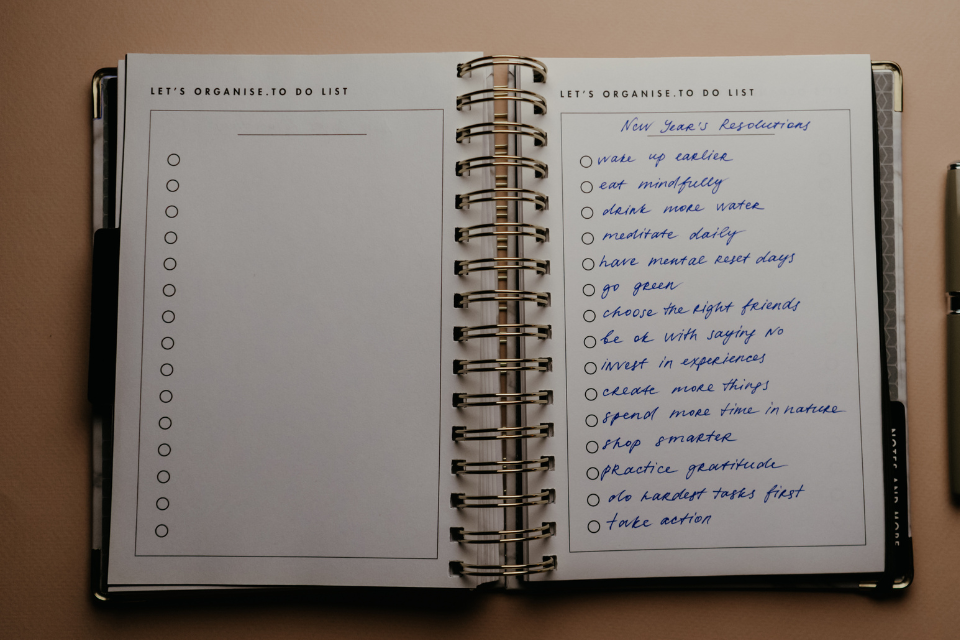
The process of changing a habit isn’t just about willpower; it’s about understanding the cues that trigger your habits. Every time you repeat a behavior in response to a cue, the more you strengthen the neural pathways that associate the cue with the behavior. This reinforcement makes the behavior more habitual over time, requiring less conscious effort.
Therefore, changing a habit is a journey that involves:
- Identifying your routine: Understanding the unwanted behavior you want to change.
- Isolating the behavioral cues: Becoming mindful of what triggers the habit.
- Making a plan: Deciding on a new, more desirable behavior to replace the old one. Instead of focusing on what you won’t do, focus on what you will do.
- Making it obvious: Setting yourself up for success by making the new behavior easy to perform.
- Anticipating obstacles: Planning in advance how you’ll overcome potential challenges.
- Persistently and consistently practicing the new behavior.
Ultimately, breaking the link between old memories and behaviors is the key to changing habits. This requires becoming mindful of the cues that trigger those undesirable habits and intentionally replacing the old behavior with a new one that better aligns with your goals.
Accelerate Habit Change Through Training

Embarking on the journey of habit change can feel daunting, but with consistent effort and a focus on mindful awareness, you can rewire your routines for greater success and well-being. If you’re looking for a structured approach to cultivate habits that truly serve you and enhance your effectiveness more quickly, consider exploring the Empowered Productivity™ System.
This framework offers valuable insights and actionable strategies to help you develop intentional behaviors that lead to significant results with less stress. You can discover more about this system through the resources available in my Learning Center, through online training for individuals, or through training for your team.